
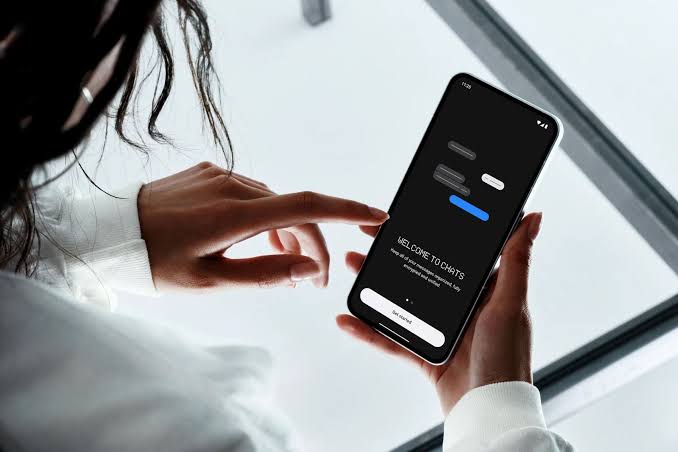
Start with the questions, not the bot
Before choosing any tool, read a few hundred real conversations from your inbox, live chat and social channels. Group them by topic. Usually a small number of topics, such as order status, pricing, bookings and password resets, make up most of the volume. Those are your chatbot's first job.
What good chatbots do
- Answer from real data: order status comes from the order system, not a generic reply
- Keep it short: one clear answer, then an offer to help further
- Hand over gracefully: a person can step in at any time, with the full conversation attached
- Admit limits: "I can't do that, but I can connect you with the team" beats a loop of wrong answers
- Speak like your brand: the same tone as your website and support team
What to avoid
Do not hide the option to reach a person. Do not ask customers to repeat information they already gave. Do not let the bot promise refunds, discounts or deadlines that only a person can approve.
Measure what matters
Track resolution rate, how often conversations are handed to a person, customer satisfaction after the chat and the topics where the bot fails most. Review failed conversations every week; they are the best guide to what to improve next.
The result
A well-built assistant handles routine questions at any hour and gives your team more time for the conversations that really need a person. Customers do not mind talking to a bot. They mind being stuck.